Outdoor celebrations provide wonderful opportunities to gather with family, friends, and neighbors while enjoying beautiful backyard spaces. However, events involving numerous guests, entertainment equipment, and outdoor furniture can place considerable stress on lawns. Heavy foot traffic often leads to soil compaction, flattened grass, and damaged root systems, affecting the overall appearance and health of the landscape. Without proper preparation, these issues may require extensive restoration after the celebration. Fortunately, homeowners can take preventive measures to minimize lawn damage while creating comfortable environments for guests. Understanding how foot traffic affects grass is the first step toward maintaining an attractive outdoor space.
Preparing the Lawn Before the Celebration
Proper lawn preparation helps strengthen grass before large gatherings. Homeowners should maintain appropriate mowing heights, water consistently, and address existing bare patches several weeks before the event. Healthy grass generally withstands moderate activity better than weakened or neglected turf. Avoid excessive watering immediately before celebrations, as saturated soil is particularly vulnerable to compaction. Removing debris, inspecting uneven surfaces, and identifying sensitive lawn sections can also improve safety. Scheduling maintenance activities in advance allows grass to recover from treatments before guests arrive, reducing the likelihood of unnecessary damage.
Designating Specific Areas for Entertainment Activities
Creating designated entertainment zones is an effective way to protect grass during backyard celebrations. Concentrating activities in suitable areas helps prevent guests from walking across delicate landscaping. For example, birthday parties featuring inflatable attractions from Sandi's Moonwalks can benefit from carefully planned layouts that provide adequate space for equipment and participants. Hosts should select level, stable surfaces and follow rental providers' installation requirements. Heavy equipment should not be positioned over irrigation components or fragile landscaping. When possible, placing suitable activities on patios or other approved hard surfaces can reduce pressure on grassy areas.
Establishing Clear Pathways for Guests
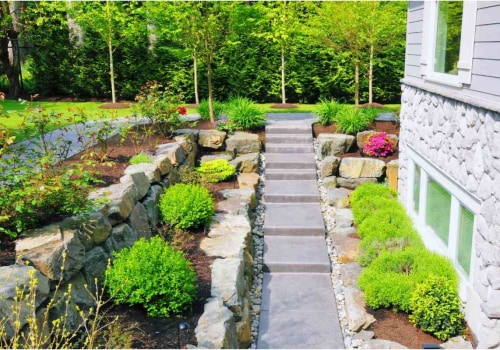
Encouraging guests to follow designated walking routes can significantly reduce widespread lawn damage. Temporary pathways made from appropriate outdoor mats, modular flooring, or stable stepping surfaces help distribute foot traffic more efficiently. These solutions are particularly useful between entrances, dining areas, restrooms, and entertainment stations. Homeowners should ensure that temporary flooring does not create tripping hazards or remain in place longer than necessary. Decorative signs, lighting, and thoughtful furniture arrangements can naturally guide guests toward preferred routes without compromising the celebration's appearance.
Protecting High-Traffic Areas With Suitable Materials
Certain sections of the lawn may experience greater pressure due to seating arrangements, food stations, and frequently used activity areas. Temporary ground protection panels designed for turf can help distribute weight and reduce localized damage when used correctly. However, coverings should allow appropriate airflow and should be removed promptly after the event. Avoid placing heavy furniture on recently watered soil or weakened grass. Rotating activity locations during extended celebrations may also help prevent excessive wear in individual areas.
Restoring Grass After the Event
Once the celebration ends, homeowners should promptly remove temporary equipment, decorations, and debris. Lightly raking flattened grass can encourage blades to return upright, while appropriate watering supports recovery. Compacted areas may benefit from aeration when soil conditions are suitable. Severely damaged patches might require reseeding or replacement sod, depending on the grass variety.
Maintaining Healthy Lawns for Future Gatherings
Protecting lawns during celebrations requires thoughtful preparation, organized layouts, and responsible maintenance. By managing foot traffic, selecting suitable equipment locations, and addressing damage promptly, homeowners can preserve attractive outdoor spaces. These preventive practices help ensure that backyards remain welcoming environments for future celebrations, recreational activities, and everyday relaxation.